Bye-Bye Big Boobs: Downsizing Implants, the Ballerina Breast & Preserve with Dr. Kelly Killeen


 RSS Feed
 A 100cc breast augmentation used to get you laughed out of the consultation room. Now it’s one of the most-requested sizes in the office. Dr. Kat Gallus is joined by Beverly Hills breast surgeon Dr. Kelly Killeen — the surgeon who trained Kat on the tissue-preserving Preserve technique and a familiar face from the Dr. 90210 reboot — to get into why women are going smaller, what makes a “sneaky boob job” different, and how Preserve sits an implant inside your breast instead of carving a pocket beneath it.
They get honest about saline versus silicone, whether implants really wreck breastfeeding, the new injectable alloClae everyone’s asking about, and why the online forum Bustmob might be the worst thing to read before surgery. All three — Kat, Kelly, and Bri — lay out their own breast implant histories, swaps, ruptures and all.
Meet La Jolla plastic surgeon Dr. Kat Gallus
Trending stories:
Yahoo / ABC 33/40
Jessie James Decker has decided to ‘downsize’ her breast implants
Yahoo Entertainment
21 Stars Who Have Shared Exact Details on Their Breast Implants: Erin Lichy, More
E! News
Benny Blanco says Selena Gomez has ‘the diet of a five-year-old child’
Bustle
The Biggest News In Boobs Is Actually Quite Small
Today Show
Gwyneth Paltrow Suggests Using Arugula as a Dairy Substitute on TODAY and the Internet Can’t Leaf It Alone
See Dr. Killeen’s Preserve Before and After Photos
Watch: How Preserve Works (Motiva)
Questions answered by this episode:
- Why are women downsizing their breast implants?
- What is the Preserve breast augmentation technique?
- How is Preserve different from a traditional breast augmentation?
- Saline vs silicone implants — which is better?
- Can you breastfeed after a breast augmentation?
- What’s the smallest breast implant size I can get?
- What is alloClae and how does it compare to Renuva?
- Is alloClae a safe non-surgical boob job?
- What is a “natural” breast augmentation and how do I get one?
- Should I trust online breast implant forums like Bustmob?
Guest
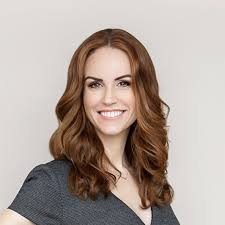
Dr. Kelly Killeen is a double board-certified Beverly Hills plastic surgeon who specializes in the breast cases other surgeons turn down — complex revision, reconstruction, and capsular contracture. A featured surgeon on E!'s Dr. 90210 reboot, she's one of the first surgeons in the country trained by Motiva to perform the Preservé™ tissue-preserving breast augmentation. She's also known for an award-winning social presence built around helping patients make safer, better-informed decisions.
Follow Dr. Killeen on Instagram @klkilleen
Learn more about Dr. Killeen at drkilleen.com
All the B's
Hosted by San Diego plastic surgeon Dr. Kat Gallus and her trusty sidekick scrub tech Bri, this is a podcast for women who have always wished they had a slightly snarky, super experienced, and totally unintimidating female plastic surgeon as their BFF to help sort through the what, where, and why of the available cosmetic treatment options.
All the B’s covers aesthetics and plastic surgery through the lens of trending pop culture stories and celebrity gossip. Who are the B’s? The all-female team working closely with Dr. Gallus every day at Restore SD Plastic Surgery in La Jolla, California. Getting plastic surgery is a big deal, and they go the extra mile to make sure you feel super comfortable and know exactly what’s going on.
To learn more about the practice or ask a question, go to restoresdplasticsurgery.com
Follow Dr. Gallus and the team on Instagram @restoresdplasticsurgery
Watch Dr. Gallus and Bri on YouTube @restoresdplasticsurgery7487
Got a question for us? Send us a message or leave us a voicemail at itsthebs.com
Co-hosts: Dr. Katerina Gallus & Brianna Lempe
Producer: Eva Sheie
Assistant Producer: Mary Ellen Clarkson
Engineering: Victoria Cheng
Theme music: Rear View, Nbhd Nick
Cover Art: Dan Childs
All the B’s is a production of The Axis: theaxis.io
Dr. G (00:02):
You're listening to another episode of All the B's with me, Dr. G, and my scrub tech, Bri. Oh my God. Okay. Hi. Today is a special day. We've completely abandoned all podcast equipment to do this because I don't know. I think it's the world of updates. I feel like anytime any system updates, it changes everything.
Bri (00:29):
Every time we think we have it, something updates and then it's like, nope.
Dr. G (00:34):
Can't record. Can't hear. Or we'll have to learn sign language, I think, to do these in the future.
Bri (00:40):
I know sign language. You get it a lot. Give her a lot of sign language and it's really just.
Dr. G (00:45):
It's just the one finger. So today is super special. We have Dr. Kelly Killeen with us. She's a really good friend of mine.
Dr. Killeen (00:52):
Hi.
Dr. G (00:53):
And she is a breast surgeon at Bedford Breast Center, one of the first US surgeons trained on the Motiva less invasive technique Preserve. She actually trained me on Preserve, so we're going to probably talk about that. She might know her from the reboot of Dr. 90210. We can talk about that. Also, I've heard her speak at multiple conferences. She does a lot of work with capsular contracture and breast implant revision work. She's a leader in that field for research. She does breast reconstruction. So we thought we would talk today about modern breast surgery, if you will. We're super, super excited to have you. Happy Friday.
Dr. Killeen (01:35):
Happy Friday.
Dr. G (01:36):
If you know anything about our podcast, we like to go over current events a little bit. In a very micro niche current event, our RN Danielle is such a cute girl. She's from the Midwest. She spends every waking second outside of this office working out for the most part and then doing super fun things. And this week we had to teach her who Jacob Elordi was.
Bri (02:03):
Yeah, it was tragic.
Dr. G (02:06):
We were like, What? What? Because he is making the news.
Bri (02:10):
She had to Google him.
Dr. Killeen (02:13):
It's like getting older. 10 years ago, I felt like I still had all of the same social context of all of the staff in my office. And now on a regular basis, this kind of stuff happens where people have no idea what I'm talking about when I have a social reference.
Bri (02:29):
So I only know what she's talking about half the time. Yeah. I'm not great with people, but Jacob Elordi I mean do we live under a rock?
Dr. G (02:37):
He's dating Kendall Jenner right now.
Bri (02:41):
He's Jacob Elordi. How do you not know who that is?
Dr. Killeen (02:45):
Yeah. It's like I think that I'm really cool and on top of things, but I guess sometimes I'm not. Or maybe just the internet's so vast these days that people can be in their corner and have no idea what's going on in yours.
Bri (02:56):
It brings me back to the time where you didn't know what a Maybach was.
Dr. G (02:59):
Yes.
Bri (03:00):
So actually
Dr. G (03:03):
That's true. We all live in our corners. And now that I know what it is, I realize that I've been pulling up behind one at school.
Bri (03:10):
They're at all your grade schools all the time.
Dr. G (03:13):
They're all over Beverly Hills still. Yeah, they're everywhere.
Bri (03:15):
Oh, that's the beginning of Maybach music.
Dr. G (03:18):
I know. And then I hear it in all the songs and I'm like, oh. It just happens everywhere. I never register.
Bri (03:24):
Yeah.
Dr. G (03:25):
All right. Well, our first little breast implant related current event is Jesse James Decker decided to downsize her breast implants. I mean, Bri's never in favor of that, but-
Bri (03:39):
I asked her yesterday. I told her that we need to upsize my implants.
Dr. G (03:42):
But I feel like she's fighting the trend. So I would say the trend is downsizing overwhelmingly, right?
Dr. Killeen (03:49):
Yeah, definitely. Definitely. Smaller implants are so much more popular. I mean, the last year I've put in so many implants in the 100s, which I don't think I have ever in the 15 years since my fellowship. It's crazy. People just want much smaller implants.
Bri (04:07):
It's kind of like the butt thing. Last year was all about big butts. This year it's all about small implants. And I feel like everybody wants to wear these clothes that really just look good with tiny boobs.
Dr. G (04:18):
Yeah.
Bri (04:18):
It's all about the baggy clothes and you can't wear baggy clothes right now with big boobs because if I wear baggy clothes, I look like a potato, an actual potato.
Dr. Killeen (04:28):
Because nothing fits.
Dr. G (04:30):
Yeah. I think if this picture of Jesse James Decker here looks good because she's wearing something that highlights her cleavage and her waist. But yeah, if you put on an oversized Linen shirt or sweatshirt, yeah, you do look like a football player and it's not.
Bri (04:46):
But how her boobs are like, no offense, Jesse, because I absolutely love you. 75% her personal, she has flaunted them for so long. She's like the Jessica Simpson of ... You know what I mean? Daisy, Duke, whatever. I'm sure there's a better reference for that.
Dr. G (05:06):
Yeah, that's her calling card is her boobs.
Bri (05:10):
Yes.
Dr. G (05:10):
But
Bri (05:12):
And her super hot husband.
Dr. Killeen (05:14):
I'm so amused by stories. I'm all for celebrity transparency, but Jesse, who is asking? Why did you ... I just think it's so funny. You see a celebrity who clearly had a change and then there's questions about it. She hasn't apparently done it yet. She just wants us all to know that she's going to do it. And it's like, girl, was someone asking? I know it's just let me get in People Magazine, but I just find it so funny. It's like, was someone asking you this? Were you getting tons of DMs? Are you considering downsizing? It just cracks me up. It's so funny.
Bri (05:49):
That's a solid point.
Dr. Killeen (05:51):
Yeah. It's just weird.
Bri (05:52):
I feel they didn't even do it. She just came out and said ...
Dr. G (05:55):
Yeah, it would be better if she said, "I'm downsizing, this is my journey and let me log it. " But she's just considering it. Yeah.
Dr. Killeen (06:02):
No, let me talk to People Magazine. I'm not going to talk to my friend's family or even my social media. Let me get in People Magazine and let's discuss.
Bri (06:09):
Let's stay relevant for a second.
Dr. Killeen (06:12):
It's never the celebrities you wish would talk about their plastic surgery that talk about their plastic surgery. It's always the ones that are like, "Oh, I got this way from skincare." Meanwhile, they have an obvious facelift. It's always like this kind of situation where you're like, "Okay, thanks."
Dr. G (06:27):
Sure. Yeah.
Dr. Killeen (06:29):
Yes.
Dr. G (06:31):
Because they're promoting their new skincare line. And then speaking of 21 stars who share exact details on their breast implants, we do know that trend was started a little bit by the Kardashians, right? Yeah. Or Jenner.
Bri (06:54):
Clearly came out
Dr. G (06:56):
And then everybody jumped on.
Dr. Killeen (06:58):
It's funny, most of the celebrities that have released their exact details, I'm like, "Oh, that explains why I'm not in love with that result." I'm always like, "Oh, okay." The profile's not what I would've chosen and stuff. It's just interesting to see what people have because you never really know. And then it's been interesting to me to see what people have released and what they actually have. Alex Earl, who put saline in someone in the year 20-
Bri (07:20):
I know. I can't believe that.
Dr. Killeen (07:22):
I was like, "Can we just revoke a license there because come on. "
Bri (07:28):
I am so done with saline.
Dr. G (07:30):
I don't know why. Yeah, there's no good reason for her to have saline implants.
Dr. Killeen (07:37):
There's really not. But apparently her surgeon, he kind of only does saline. So it's stuck in the 1990s, I guess. But yeah, it's just such an inferior device. As someone who's had in my body saline and silicone, you could not pay me to go back to saline.
Bri (07:53):
Yeah. And she's so petite and tiny. I just feel like even saline's heavier and the rippling.
Dr. Killeen (08:01):
I mean, sometimes it's a cost issue because of course saline implants are significantly less expensive, but with Alex Earl, it wasn't a cost issue. I just find that so strange.
Dr. G (08:12):
The only other reason I've seen it is I knew somebody who lived in a college town and put them in because silicone is not FDA cleared for under 22, but are saline cleared for under 22. It's just-
Dr. Killeen (08:28):
They apparently are, but I mean, I do a lot of tuberous as I'm sure you do recon and I put implants silicone in younger girls all the time. It's just off label. 90% of what we do in the operating room is.
Dr. G (08:39):
Right, right. And usually my N of one is that the companies stand by the warranty if there's a rupture or something.
Dr. Killeen (08:46):
They do. Yeah, they absolutely do. That was a rumor. I remember I was taught that in my training. They're like, "Oh, if it's off label, they won't cover. That is just objectively false. They'll absolutely cover it. I've never had issues."
Dr. G (08:57):
Yeah. It's crazy what the rumors ... It's hard to know until you actually have to activate it. And so I do feel like letting patients know that, hey, it's an off-label indication and if they choose to be absolute dicks, they might not honor the warranty. But I think it's in the company's best interest to do that. And that's what I realized that just recently came to that conclusion. And I did have somebody who had a allergan implant and it was an early rupture and they handled it.
Bri (09:28):
Was she under age?
Dr. G (09:30):
Yeah, she was like 21. So I think that was the impetus to do that, but I don't know why she wouldn't just immediately switch them out to silicone at 22, I guess. But also I do have patients that had their saline implants put in the 1990s and most of them switched to silicone. About half of them stay with saline because that's what they have and that's what they know. And if they have enough breast tissue to coverage, it probably doesn't matter. And if you don't want-
Dr. Killeen (09:57):
Sure. I mean, it's fine, but if it was someone like this with no breast, I'd be flabbergasted.
Bri (10:04):
I feel like another thing is everyone is like, "Oh, saline, saline, it's not bad for my body." But you still have that shell. You know what I mean? Granted, your body just reabsorbs it, but you're still putting it in an implant.
Dr. G (10:19):
Yeah, you haven't circumvented the whole silicone shell part of it. Yeah. And yes, I would say if it ruptures, you know it. That's the only-
Dr. Killeen (10:27):
That's the only benefit of saline in my mind too, is that if you rupture, you know right away versus you might not know till your next screening with silicone. So I mean, you still have to remove it. It's certainly less problematic when it ruptures, but silicone's really not as problematic as it used to be, especially if people are actually doing their screening because we catch things quickly these days instead of having a ruptured implant for a decade with a cap con and no one notices.
Dr. G (10:51):
Right, correct. Yeah. The other thing about celebrities sharing their breast implant details is it's a little bit helpful, but it also sucks because you don't know what they look like before. They're not sharing their before pictures. So 345 moderate profile in somebody with A boot, A cup boobs, no, you know what I mean? I need to know what looks ... I've had patients come in and say, "I want 190cc demi whatever profile." And then they show me their wish picks and the-
Bri (11:22):
They're like 450, giant boobs.
Dr. G (11:26):
Yeah. Or the afters of somebody who has 190s in, but they started with 300 ccs of breast tissue, so 190 bumped them up to 500 ccs of volume. But if you're starting with a hundred ccs of breast tissue, that's not going to be your end result. So don't get too wrapped around the axle about the end result. They're just getting free press again about something.
Dr. Killeen (11:52):
Again, it's never the A- list celebrities that are sharing this. It's that population of celebrity that just is constantly scraping, trying to get their name in some publication, which is fine. Again, I like the transparency. As a surgeon, I love women knowing that, "Hey, this person wasn't born with this body." I think that's a good thing for young women to know, but also it just makes me giggle because the intention is not for them to be transparent and open. The intention is just to get attention.
Dr. G (12:23):
Yes, right. They're just doing it so that yes, they get a little bit of PR. So I mean, that's fair. All right. Well, do we want to talk about any of these other celebrity stories? Riley Coe where's a sheer gout at Cannes despite- I don't think so.
Bri (12:42):
I want to know what Selena and Benny Malacco's diet of a five-year-old child is though. What does that entail? Because you should see my diet. It consists of literally chicken nuggets.
Dr. G (12:52):
That's true.
Bri (12:54):
The only thing I consume in this office is chicken nuggets
Dr. G (12:57):
And spindle.
Dr. Killeen (12:57):
Celebrities eat so weird. I'm sure you saw this viral clip of Gwyneth Paltrow that went viral yesterday. She went on one of these morning shows like Good Morning America or something and she's making turkey meatballs. And she says, "For those of you that ... " I can't even say it. "For those of you that want to avoid dairy, I just like to chop up arugula and add it in. "And it's like, girl, green plant mush is not dairy. Yeah. The world these people live in is just not, they're not on planet earth. They're like aliens and human suits. And I don't understand why more people don't call them out for such silly things. They all have weird diets. They're all doing just bizarre ass stuff and they try to act like it's normal. That's not normal, Gwyneth. When someone doesn't eat dairy, they don't want green goo in there. They want dairy. They want a substitute, not that.
Bri (13:53):
Wait, this is so good. There's so many other dairy alternatives and that's what she resorted to?
Dr. Killeen (13:58):
Not even close to dairy. No planet is arugula chopped up the same as dairy. I'm sorry.
Dr. G (14:07):
Why do you have these dairy in your meatballs? Back up, back up.
Bri (14:10):
Maybe for a sauce?
Dr. Killeen (14:12):
I mean, I would imagine the only time I put dairy is sometimes I put Parmesan cheese in them or breadcrumbs, but that's not.
Dr. G (14:20):
You're not adding milk to your ...
Bri (14:22):
See, I didn't know because I don't cook.
Dr. G (14:25):
Bri is obviously out of this conversation.
Bri (14:27):
I'm like, wait, what?
Dr. G (14:28):
Wait, what's my Door Dash code?
Dr. Killeen (14:30):
She doesn't cook at all. Almost certainly does this person not cook at all. Look how she's even holding her spatula. Anyone who cooked, this is not how you cook, but she has a whole lifestyle brand that focuses. She has goop kitchen and she sells all of this stuff. So this is all her brand, but it's just so funny. It's like, to me, I see that. I'm like, it's obvious this woman has never made any item of food in her entire life.
Dr. G (14:56):
It's amazing whatever she's doing with the spatula there. It sort of reminds me of a classic Real Housewives clip where Kathy Hilton doesn't know how to open a wine bottle.
Dr. Killeen (15:08):
Yeah. Something like that. She has literally no idea. Plus, I mean-
Bri (15:14):
Shocking.
Dr. Killeen (15:16):
Everybody knows with beatballs, you end up with your hands in there. This is not a mix with a spatula thing. You put your hands in there and mix it up.
Bri (15:23):
She's like petting it. It's crazy. That is crazy. That's amazing.
Dr. Killeen (15:28):
Funny. I cracked up what I saw yesterday. I was like, this can't be real.
Bri (15:31):
I can't believe I didn't see that.
Dr. G (15:35):
Well, it is like one time I was like, maybe I was like, Bri, you could just inject the PRP before it starts to solidify because we were on a whatever. It was just a crazy day. And she picks up the syringe like this. It's a dart. And I was like, nevermind, nevermind. I'll wait for our nurse to do it.
Bri (15:53):
She's like, "Don't put out my eye with that. " I was like, "It's fine."
Dr. G (15:57):
I was like, "You were EMT. You'll know. Oh no, you don't. It's not giving."
Bri (16:04):
It's not giving way to you dainty things on the ambulance.
Dr. Killeen (16:08):
Yeah.
Bri (16:09):
No Botox is being performed on the ambulance.
Dr. Killeen (16:11):
Hopefully not.
Dr. G (16:14):
Hopefully not. All right. I think we're going to walk to the small implant movement and talk a little bit more about that. The ballerina breast is, you mentioned earlier that you've been putting in smaller implants. I have not yet put in ... I always say I'm the basic bitch of breast aug and sit right around 310.
Bri (16:36):
Yeah. Literally did two 310s yesterday.
Dr. G (16:39):
Yeah. 320 ergos and 310 SRM.That's just what people ask for. Even when they come in and say they really want a small implant, they still sneak towards 255, but it definitely is trending and people think they want smaller implants. So you mentioned that you're doing a lot more under 200 ccs. What do you think is your most common implant size now?
Dr. Killeen (17:05):
I mean, I would say probably 185 to 230 would be the most common range I do. But a lot of it has been driven by Preserve. So I think it's just a patient population that probably wasn't coming in for augmentations before because they wanted things so small and people were like, "No, no, no, that won't fit. If it's sitting at the crease, it won't be high enough to give you upper pull fullness." And so the patients that didn't really want a larger augmentation, they feel seen with the Preserve stuff. So I've been doing a lot more of that and I mean, they really look great. Patients are so happy with it. And I think this idea of the Sneaky Boob job has become more popular where people, they're not at People Magazine letting them know what they're doing. They kind of don't want people to know.
(17:50):
They just want something that's subtle, they fit their clothes better, they don't want to wear a different size and they almost don't even want their friends to know. It's just like, I want to feel good about myself and not be seen.
Dr. G (18:02):
I think in the past you got a breast aug and it was like, look at my boobs. And I still remember even back in my college days, one of my sister's friends got them done and she was like, "Boobs, boobs, boobs." And finally one of her other more snarky friends was like, "We get it, Sasha. We all have that. Stop throwing your new boobs in our face. Calm down about your boobs." But yeah, I think that letting everyone know that you had a breast aug, it's more about having a subtle, did anyone notice you just fill out your clothes a little bit different, especially for the moms who are pretty small breasted to start with and maybe they just got a little stretched out just a little bit with pregnancy and breastfeeding and then you can kind of fill it out and you're in that AB cup and it looks nice.
(18:55):
And so I do think it's about being more understated and maybe not everybody knows. I think that definitely is pushing the trend. And with the preservative one next week coming up and then a couple more after, I do think that people are liking the reduced downtime. We're doing it under sedation. It's definitely a more, I wouldn't say lunchtime breast aug, but it's definitely a faster turnaround and not quite the same thing as if you throw some 500 ccs three.
Bri (19:35):
Yeah. 5,535. But maybe we can explain what exactly the difference between a regular breast dog and preserve is. Okay.
Dr. Killeen (19:46):
Yeah. So preserve a is a tissue preserving breast aug and it's kind of an iteration of a subglandular or over the muscle breast augmentation. So in general, when we make an incision and we use cautery, we cut and we open a space for a breast augmentation. So under the muscle, over the muscle and we don't have to respect your anatomy. We can kind of cut things and put an implant in of our wishes. So it's really a choose your own adventure type situation with an augmentation. Preserve is not like that. Preserve, we want to keep the ligaments of the breast, especially around the periphery intact because the theory is, is you can just augment what you already have and really keep your pretty shape without disrupting these ligaments. And by doing that, you can have a smaller implant that you more precisely place because you're not cutting the lower breast, you're just making a tunnel to exactly where the implant goes.
(20:44):
And in general, if you look at the befores and afters, they don't look as, "I've had an augmentation." They just look like a version of you that maybe had a little like a cup size bigger breast. So patients have really liked it for that reason because they can kind of be their same person. One of the thing that patients complain about a lot after augmentations is they feel wider and I don't think I've ever had a preservate patient complain of that. They always just feel like the footprint of their breast remains similar. My partner described it. She's not doing preservay and she went to my lecture at LA Society and was looking at my befores and afters and she's like, "I totally get it. " She's like, "It's hard to explain, but if you look at the befores and afters and augmentation, it feels like the implant is under the breast and with preserve, you feel like it's in the breast, if that makes sense when you look at it.
(21:35):
It's just a different, a subtle thing." And there's of course a million different people trying to say that you can do this with a saline sizer and you don't even need the tools, but if you've done preserve and you've done both, you really can't. It's a very unique kind of tool because you have to have that balloon on a stick. You really have to have an introducer and you have to have control of the dilation of the balloon and the shape of it's different. It's not the shape of the implant that's going to go in. It's shaped a bit rounder so that it doesn't put as much pressure on the ligaments around the breast. It's really interesting. I mean, at first I was quite skeptical when I went to the training. All of us are like, "Eh, our augmentations are gorgeous. There's nothing this has to offer." And then after you do a bunch of them, you're like, "It's not for everyone, but it is a great option for a subset of patients." I've really liked it.
(22:25):
Any patient who's a candidate for it, I always try to convert them now. That's how much I like it.
Dr. G (22:30):
Oh, that's good. Yeah. So we've seen a fair amount of patients and then maybe, I don't know, I also was skeptical at the beginning and then decided, okay, well, first of all, I need to learn how to do this because it's catching on. And as you know in our field, someone is going to go in and just screw it up. I need to be around when ... And so some of my patients have come in talking about it. It was like, "Oh, I looked at some of them before and after. There are a few that I didn't really like. " And those are usually the 315, the bigger implants that they're putting in. And I was like, Yeah, somebody is going to push the boundary and put breast implants that are not proportional to the person and if that's not the look you're looking for, you're going to be unhappy with that.
Dr. Killeen (23:19):
It's just a different thing. I think the other thing that I've noticed too with some of the earlier results is that surgeons are just putting them too high. We've been used to this, the implant will settle world with an augmentation and they just don't settle the same with Preserve. They are a bit more consistent. So sometimes when I look at the befores and afters that I see online, I'm like, "Oh, they're just too high at six months. They shouldn't be there. They should have be a little bit lower." So I think as we're getting more experience with it and using it nationwide, worldwide, we're seeing people kind of figure out how to place them in this method in the ideal way. But I mean, it's really great. Honestly, I wish I had this option when I first had my augmentation when I was 21. I think this is really great.
Bri (24:07):
I know a lot of patients come in that want ... I know breast implants are different now with, they ask, "Oh, can I breastfeed and so forth?" Do you think this is a better option if somebody wanted to breastfeed or was it the same as a regular aug?
Dr. Killeen (24:21):
I don't think it matters. I mean, here's the thing with breastfeeding. Breastfeeding, like a quarter of women have trouble breastfeeding at a baseline. We truly don't know how any of these surgeries truly impact breastfeeding because it's hard to know if that person would've been able to breastfeed anyway. I breastfed for three years straight with ... I had already had three surgeries on my breast by the time I breastfed. I had no trouble. But there was people that have tiny implants placed in the most under the muscle in the IMF, which should in theory be the best place and they couldn't breastfeed. So I don't think Preserve probably better in that regards, maybe because some of the nerves don't get cut and maybe the nerve stimulation is actually helpful. Probably not. I mean, I think the most important thing with breastfeeding is just not making incisions through the breast.
(25:07):
If you make an incision around the nipple and you cut through the breast tissue, you're cutting ductal tissue. So you're increasing the chance that the ductal tissue is not draining through the nipple. As long as you stay under the breast with an incision and the crease, I don't think it probably matters, but people, especially the general public, like to make every new thing magical. When Motiva implants came out, they were like, "Motivas are magical. They don't cause BII." And I'm like, "What?"
Dr. G (25:33):
Yeah.
Dr. Killeen (25:33):
Where's that coming from? And then now with Preserve, they're like, "Oh my God, Preservate doesn't cause BII and it doesn't cause breastfeeding problems." And I'm like, "What? Where did you get that idea from?That doesn't make any sense."
Dr. G (25:46):
Makes your skin glow, I think. I think that's the ... Yeah, right? I mean, we want so badly. That was actually the only thing that's come out that had any that at first I was like, "Wait, what are we doing but has studies to prove it? " There are GLP-1s, right? When they first came out, they were like, "Oh, it's anti-inflammatory. Oh, it actually helps you cut back on alcohol. Oh, it reduces your cardio test." I was like, "What is happening? It does everything." But actually they've been studying it and coming up with literature to support that. But I agree. Whenever something's new out, we're like, "Oh, this is the be all, end all. " And it's not, it's another tool in the toolbox. I agree.
Dr. Killeen (26:29):
Totally. I saw an aug patient yesterday I did last week and I did her a traditional aug and she looks fantastic and it was the right choice for her and she did not get an inferior result because she did a traditional augmentation. It's not for every patient. I think that's always the problem with when the public picks something up and makes it seem like the best is that it makes patients feel like they're not getting the best if they don't get that method when that maybe wasn't the right method for them ever. It was never the right thing.
Dr. G (26:59):
Right. No, I completely agree. It's not a one size fits all. And when you're dogmatic about stuff, that usually doesn't work out well. And I do agree with the breastfeeding thing. I always tell people, you have a one in three chance of not being able to breastfeed if you've never had any surgery on your breasts. And it can be multiple things as someone who's had three kids and was only able to breastfeed. The last kid I had, I brought a bottle and formula and snuck it in because I was so tired of showing up and not being able to breastfeed and them putting the baby through all the, "Oh, do this, do that. " I'm like, "She's starving." And then of course the third one where I was like, "I'm just going to surreptitiously bring whatever I need so the lactation Nazis can get off my back." And of course she breastfed for three years. I was like, okay, well, you never know. So is
Dr. Killeen (27:55):
You never know. And the thing that I find so frustrating, I just had this conversation with a lovely teenage patient and her mom yesterday is this obsession with everything and your ability to breastfeed I find so interesting as a woman, we are so much more important than our baby feeding and making parts. And this idea that every decision you make as a young woman should revolve around how it affects future children when you don't even know if you're going to have future children, you should be miserable with big breasts for a decade because you might have children and you might breastfeed. Who decided that was okay? And it's especially bizarre when we have formula. I just don't understand it. You have these patients that are like 16, 17 with a very severe tuberous deformity or gigantomastia and there's these well-meaning but misguided people that are like, "Oh, you should wait till your 30s after you've had children." Like you want that little girl to wait with breasts that are in the stratosphere of sizes. She already has neck pain. You want her to wait because maybe she'll have babies and breastfeed in 15 years. It's like you hang that weight around your neck, you weirdo, what a weird thing.
Dr. G (29:08):
No, for sure. I mean, I know that patients that are older and have breast reductions are like, "Wish I would've done this sooner." You know what I mean? No one's ever like, "Oh, I'm glad I waited." I've had some patients that were in their teens and did the whole breast reduction consultation process and then sort of chickened out, which is fine, you have to be comfortable with it and then circle back around in 20s and 30s and we're like, "I was so close to getting it done and then I just chickened out and now I'm glad I did it. " And I'm like, "Yeah, yes, this future breastfeeding self, which to do all that and then maybe the baby doesn't latch on is bananas even assuming you're having a baby."
Dr. Killeen (29:50):
Totally.
Dr. G (29:51):
So many things. Yeah, it is kind of wild. Let's see. We could talk about the natural look, I guess real quick Absolutely. And then we can talk about aloquate because I know you're not a fan of that yet.
Bri (30:04):
Oh, I'm interested to hear your thoughts.
Dr. G (30:06):
Yeah. But let's talk about if somebody says they want a natural breast augmentation, how do you tease that out? What's the fastest way to figure out what that means?
Dr. Killeen (30:18):
What I've learned is the sizing is the most powerful part of my consultation because it doesn't matter what words people use, what they actually like when we do a sizing tells the story. I had a girl who said she wanted a natural subtle augmentation. She was five feet tall and had an A cut breast and she chose a 400cc implant. She speaks a different language than I did. And so I think if you let me pick the implant, I would've put a 200 max in her, but that's not what she wanted. So I've learned that doing sizing in different ways is really helpful. Virtual gives different information than the physical sizers. And I think people going home and playing around with rice and beans in a baggie in their bra is helpful too because then you could try on your favorite outfits and play around with it and see what you like. But I think the sizing is the most important part of the console because it tells you what their natural is because not everyone's natural is my natural is what I've learned.
Dr. G (31:15):
Yeah, for sure. And I know. And sometimes if they don't have inspo pics, which I think is helpful and I'm going to go do the simulation and they've just given me natural, I'm like, okay, we can go by off your breast diameter, but I don't want to anchor whatever this implant is. I try to make sure that they feel comfortable going, "Well, can I see a litle bit higher or a little bit lower?" And honestly, sometimes it's best when they have their partner there because usually if it's a dude, they're like, "Well, I mean, can we just see the 800s?" And at least they have-
Bri (31:51):
It's either go super small or super big. There's no in between. I know. Husbands either don't want anyone to be able to know their wife has boobs or they just want them to be a pair of boobs.
Dr. G (32:02):
Totally. Yeah. And I was like, "Yeah, we can weird science that and show you the 800s.
Bri (32:09):
Is this the biggest you got?
Dr. G (32:12):
I'm like, at least they get an idea of, okay, that's one extreme to another. Because I think if we're the sizing conversation, if they haven't given me a real feel, that's what I was going to say earlier. When we were talking about celebrities saying, "Oh, I've got this. I've got that. " One of the common things is, do you know anybody who's out of breast augmentation? Because if you do, can you ask them what size they are? You know what I mean? And get a on the street opinion from your girlfriends what they have. If you like their look or at least it's just a little bit more information, that's helpful. Again, you won't know what they started with, but at least you have, maybe you do if you've known them long enough.
Dr. Killeen (32:56):
Yeah, it's helpful. I mean, poll the audience, get information, but also be open to your surgeon guiding you. That's always the most-
Dr. G (33:03):
I know. Yes.
Dr. Killeen (33:05):
And don't go on bust mob. Bust mob is my least favorite resource. I hate to say this because people love that website. I have found bust mob patients the most challenging and difficult patients to help because here's the problem with being a layperson who's had surgery. It's human nature to want deeply to believe what you personally had done is the best option out there.
Dr. G (33:30):
Correct.
Dr. Killeen (33:31):
And lay people don't know all of the options. They don't know how things have evolved. They just know what they personally had or maybe them and their friends have had. And often that's in the same time period and things evolve with time. And so the problem with groups like bust mob is that you have a lot of not experts chiming in on what things should feel like and be like. And it's often wrong and it's really hard to undo that type of damage when patients come into your office. My most anxious, upset patients before surgery because of sizing are always from bust mob and it's because that group drives people insane because everyone has suggestions and help. I had a patient once who was 10 days post-op with a literal perfect result and she called me and said she wanted her implants out. And I was like, "Why?" And she's like, "Well, on bust mob, they told me they should feel like me already and they don't feel like me." She's like, "I love them. They're beautiful, but they don't feel like me and I know that's wrong and I'm probably going to get breast implant illness." That's what they told her on bust mob.
Bri (34:32):
Stop it.
Dr. Killeen (34:33):
No, I'm serious. I've just had a really bad experience with that. I've never been in that group personally, I don't go in there, but whenever I see it listed as where patients found me or that they're on there, it makes me so nervous. I honestly think that those patients are the most anxious. They have the hardest time making decisions. They're the most nervous after surgery about everything. I don't find that whole site, I don't find it encouraging patients at all. And it's too bad because there used to be some back in the day that I thought were awesome. When I had my initial breast augmentation, there were some great groups, but that one for whatever reason, it just makes people upset and it makes them not able to make decisions that bring them joy. And it just is sad to me.
Dr. G (35:18):
Right. Yeah. I do think that need to have everybody get on board with your decision, what you did and your personal experience is a little bit ... It's unfortunate because everyone's different and it's not a one size fits all because it's like when you're pregnant, the only people that talk to you when you're pregnant are people who had pregnancy horror stories. You don't need to poll audience for that. Like, oh yeah, I almost died.
Bri (35:46):
Reddit thread. You're going on Google to look at whatever ... People put their negative experiences on the internet. When I got my boobs done, I never once even looked on the internet. I was like, "I want my boobs done. I want them." I mean, I just had two kids, but you know what I mean? I probably should have done some more research, but you go on these forums and all you see is everyone's negative experience because I have never gone on the internet and been like, "Oh my God, I'm so happy. I don't know who needs to hear this, but somebody comment on, I'm so happy." You know what I mean? I'm just happy right now.
Dr. Killeen (36:23):
Yeah.
Dr. G (36:24):
And people are definitely motivated to share their downfalls or horror stories or regrets or whatever.
Bri (36:31):
Over these are great. Don't tell me how to feed all ... Everyone feels different.
Dr. Killeen (36:36):
You're more likely to write a review of a restaurant when you had a terrible experience than if you had a nice experience. I think that's just how it is. My recommendation to patients always when we see that they came from that site, and it happens so frequently that my office literally tells people before they come into the consult is that do online research and get all the information from these awesome resources. And then once you decide to have surgery and you choose your surgeon, then log off because no good comes from that. I have a patient that I booked for an augmentation who was heavily on bust mob and she booked her augmentation and I had to do about four or five additional calls with her to discuss the implant type again, the size, all from stuff she was reading on bust mob. And guess what?
(37:22):
We ended up doing what I recommended to her in the initial consult even after all of that. She just saved herself so much shenanigans by logging off. Once you get your surgeon and your surgeon gives you individualized specific recommendations for your body based off of your wishes, that should be what wins. You don't go pull the audience after that because they just don't know and they're going to do nothing more than make you anxious for no reason.
Dr. G (37:47):
Right. I chalked that right up there with watching YouTube videos of your proposed surgery the night before surgery.
Bri (37:52):
which why would you do that? Don't look at it.
Dr. G (37:56):
Why?
Bri (37:56):
Don't do it. Don't do that.
Dr. Killeen (37:58):
Nobody needs to do that. Yeah. Don't stress yourself out. Just focus on seeing yourself through it in a positive way. Get excited about your new clothes you get to wear and feeling good in your body and focus on those positive things and don't let other people steal your joy because that's often what they're trying to do and they do it under the guise of helping you and giving advice, but they're not. It's a weird population of people that have surgery and stay on those groups and continue to give advice. It's not a normal patient that does that.
Dr. G (38:26):
Right. What are they motivated by? Yeah, it's an interesting-
Dr. Killeen (38:29):
I don't know. They like, I guess, the aura of being an expert in an area that they don't have expertise in and they just freak patients out needlessly. I love the idea of patients connecting and helping each other through difficult times. But I think what that looks like in my doctor brain is like a patient logs on and says, "God, I had an augmentation last week and I'm so bloated." And the people are like, "Oh my God, that happened to me too. Here's what I did." Or like, "Don't worry, it gets better." Mine lasted longer and I had to do this. Ask your doctor about ... That's what I envision, but it's not like that. It's like someone says, "Hey, I'm choosing Preserve Motiva with 205 CC demis. Oh my God, you shouldn't do Preserve. Cancer's going to be hidden under the implant." And then someone's like, "Don't choose Motiva. You could get ALCL from the texturing." I mean, it's a weird world online right now. It's changed from being a support group to a place where people flex their knowledge and try to freak everyone out.
Bri (39:26):
Yeah. It's a very judgy place. Remember when you got blown up, this girl had gotten a breast aug less than 24 hours and she was blowing up the consult because she wanted them out the next day.
Dr. G (39:37):
Oh yeah.
Bri (39:37):
She just gotten them done before.
Dr. G (39:39):
Not by me.
Bri (39:39):
No, but a totally different surgeon, but that's what they do. They freak people out. They do not.
Dr. G (39:47):
Over the holidays.
Dr. Killeen (39:48):
That's how I identified the bust mob problem initially because it was even before the patient that I had that did this. We had a couple patients call over a six week period that all wanted their implants out within a few days of having them placed. They all found me on bust mob. So there's something that goes on in that group that, I don't know, just helps an anxious patient become
Dr. G (40:12):
Probably baseline, but then it feeds into that.
Dr. Killeen (40:15):
Yeah. And if they reach out to their surgeon, we could help them through it and figure out whether-
Dr. G (40:20):
No, I know. ...
Dr. Killeen (40:21):
Or not. But instead, it's like once they get in that spiral, it's really hard to help people out of it.
Bri (40:26):
Also, it's like going in the comments. You're getting advice from, you don't know how mentally stable any of these people are. You don't know the mind frame. Trust your doctor over trusting some woman who is probably at home typing away on her computer about how upset she is about something.
Dr. G (40:44):
You don't know who's lying.
Bri (40:46):
Yeah. You just don't know.
Dr. G (40:48):
All right. Let's move on. I know we're kind of running out of time, but we will ... I just wanted to touch a little bit on Alloclae because I know have you used it yet or no, you're not going to?
Dr. Killeen (41:02):
I have. So I actually saw the product in their lab before they even launched it. I was part of one of their initial consulting groups and I think it's a really cool idea, but here's my problems and it's not the company Alloclae, it's just our industry in general. So this is a tissue product and it doesn't require any clinical testing before it goes on the market. So they put this on the market for use in human beings with zero clinical data. So they had preclinical data like animal data, but they didn't have any clinical data. So we have a product that is quite expensive that we're asking patients to buy. I can't even tell you how much of it takes, how long it lasts, what the complication profile is and that makes me uncomfortable as a surgeon. And as someone who takes care of breast cancer patients like all of us do, I don't love the idea of squirting some substance into the breast when we don't know how it affects mammography. We don't know if it affects breast cancer rates.
(42:00):
It frustrates me these companies make zero moves to test these things when they really could have before they put it out. Like Renuva did a study before they put it out where they injected it in stomachs and then they had the patients come back in six months. These were already planned tummy tuck patients and they sent the specimens to the lab and they chucked up the tummy and they looked and they saw what Renuva did. So before anyone used Renuva, we knew how much of it took, what it looked like under a microscope. We had more information and right now we don't. And we've had a bunch of patients in the LA area with just massive areas of dead goo that had to be drained in their breasts. And there's a couple texting and WhatsApp trees with local surgeons and IR guys that are draining this stuff from here, there and everywhere.
(42:49):
And I think most of these patients don't go back to the person that injected them because they're pissed that something weird happened. And so they may not even know they think that this worked out great, but their patient has a hundred ccs of dead fat goo in their breast and it just makes me uncomfortable and it makes me pissed off. And the company will be like, "Yeah, we're studying it in a clinical study." They're not. They're like having a couple surgeons squirt it in hip dips and they're doing like not even real imaging to look at it. I want to see what it looks like on biopsy. I want to know what it looks like on mammogram. And I think that's not too much as a surgeon to ask of these billion dollar companies before they put things on the market. So that's just my kind of soapbox about these products.
(43:30):
That being said, I think it's really cool and the two people that I did it on hip dips look great and have no issues, but I don't know what it looks like in there. I don't know how long it's going to last. It's only been a year and a half.
Dr. G (43:43):
Yeah, that's fair. I mean, the idea, I guess I don't disagree. I definitely used quite a bit more and have a lot of patients signing up for it, which I thought was interesting because people, it's a procedure. You don't need to then harvest fat and inject it. So it's an awesome alternative. It isn't very far off from Renuva. Although it's sort of like Motiva implants, it's funny that you were more inclined to use Motiva implants than I was because I had the same sort of visceral like, "Well, now we're going back to nano texture." It's still textured. So those same things gave me pause for a lot longer, but I also feel like Alloclae, despite them not having the clinical testing that I do agree they should have prior to launch, but it's not required so they didn't feel like they needed to do it. It's extremely similar to Renuva and another product lipoderma and both of those products have the testing behind it and we know our long lasting, your body goes ... I think the issue with people just like everything else, having it necrotic and turned to goo is there are those cowboys who are like, "Oh, if 25 ccs is good, a hundred's better and slam it in there."
(45:11):
And we just did a patient yesterday who had very, very small A- ish breasts a little bit constricted and I said, "If you want more volume and very thin, you have no fat to donate, we will do ala clay. I cannot do it all in one shot. The most I can do is 25 ccs per breast and then give it some time and then we'll see you back in three months and six weeks to three months, see where we're at. And then we can always do it again if everything looks good, but I can't put a hundred ccs in each breast and get there." It's not going to work. And so yeah, she looked great yesterday. I mean, it always looks great on the table because they have a little bit of volume in there with a tumescent and then tissue and the people that I've done it in, it's really incorporated well and added subtle volume, but could I do more in each round? Probably, but I've had no problems no matter where I put it by staying conservative and not blasting. It just doesn't make sense to me that you could blast a ton in there and have it all take.
Dr. Killeen (46:24):
You can't do that with fat grafting. So why would you be able to do that with this? And yeah, I had pause about the Motiva implants, as you remember, from our front group. I was like ALCL. And the things that made me feel comfortable using them was just that they've been around for 15 years. They do have clinical data. They had a study published in nature looking at the inflammation of their shell. And still to this day, I counsel patients that I do not believe you're at risk for ALCL with a nanotextured implant, but we can't ever say never. And I still feel like this company has just not made any moves to figure out safety. I mean, they have changed their party line with breast injection. At first they were like squirt it in the breast. Now they're like, no, only squirt it subcutaneous.
(47:10):
And that's not because they're trying to help us do a better job. It's because they're trying to cover their own asses because there's no data behind this product. I don't like it. I don't like it. I think these billion dollar companies expect patients and doctors to figure shit out and I don't think that's fair or appropriate. I think that they need to put more legwork into their products before releasing them.
Dr. G (47:31):
Yeah. I don't think that it's wrong. It's just I feel like our field is rife with ... I mean, you can come up with multiple examples. I feel like mesh is making the rounds-
Dr. Killeen (47:43):
That's a great example. People are shocked when I tell them at consult that not one scaffolding is on label for the breast, not one. And we've been using them for 30 plus years.
Dr. G (47:54):
Right. And not a single one, including- Including AlloDerm, Right?
Dr. Killeen (48:00):
Including AlloDerm. There is not one. And it is shocking to me that ... And these companies have the money to do it. They are billion dollar companies, again, multi-billion dollar companies. They have the money to properly test these things, but they don't. I mean, I love the idea that we can do things off label with impunity because it's better for patients, but I don't like the way that they manipulate that fact to not do things that they probably should do.
Dr. G (48:28):
No, I agree and they're deincentivized once it's available and on the market to do-
Dr. Killeen (48:34):
And they want to sell it to everyone. The best advice a friend gave me because I was mad at a company years ago was like, companies don't have morals and ethics. They don't give a shit. The only thing they want is to make money. And so if your expectation as a company is going to behave ethically and morally sound without being forced to, you are going to be forever upset and disappointed.
Dr. G (48:57):
Case in point Everlane gets bought out by Shein.
Dr. Killeen (49:01):
There you go.
Dr. G (49:03):
Yeah. Ergo. Okay. All right. Well, let's just cover this last three women, three sets of implants so we can close out. Do you want to share what you have? We can all talk about our implants real quick.
Dr. Killeen (49:16):
I'll tell you my implant story. I have all of the things. So I had an augmentation through an IMF incision when I was 21 and I had 270cc shaped textured McGann saline. No joke. Yeah. So I had those for about eight or nine years and then I developed a little mass I could feel and my friend when I was a resident took it out for me and as she took it out, it was a little thing of scar on the implant had rotated and it was on the plug for the saline implant. And so this plastic surgeon said they thought it was going to start leaking now because of they had taken the plug out accidentally with this mass. So I switched them to under the muscle 337 Allergan style 15s at the time. And so I had those for 14 years and then I went back and had them switched.
(50:10):
I hated them under the muscle, hated with the fire of a thousand suns. I didn't have muscle flex. I just effing hated them. And then I went back after 14 years and I had them put back over the muscle. One of them had ruptured and I wasn't good about doing my screening, FYI. So I didn't know. My partner was surprised with that. And then she took out all of my capsules because I got scared about ALCL and my old McGann textured implant. So I had a quadruple capsuleectomy of that surgery and now I have three ... It's funny because you mentioned this earlier, 345 Allergan SSMs, I think.
Dr. G (50:47):
Okay. So moderate profile, the soft touch above the muscle.
Dr. Killeen (50:51):
Over the muscle and I love them. They're great. I'm a 32D is my bra size and it's perfect for me. I love it.
Dr. G (50:58):
Nice. Amen.
Dr. Killeen (51:00):
That's my implant history. So if you guys, you can write that down and charge me a consult fee now.
Dr. G (51:06):
Yeah. And you love them, you wouldn't change anything. So I almost got the four 10s that got recalled. I was on the schedule for it. IMF incision, I don't remember what the size was and I found out I was pregnant so that didn't happen.
Bri (51:24):
Damn.
Dr. G (51:25):
Yeah. Had to cancel my surgery.
Bri (51:27):
Kids, man.
Dr. G (51:28):
And then by the time I finally circled back, they were off the market. So that was fine because I ended up just being pregnant for the next, I don't know, five or six years. So three kids later, I had three 10 and 325 high profile mentor implants put in. They're dual playing, which did not bother me. So under the muscle forever, but in the last couple years, I feel like my left one's starting to slide out and the animation performity didn't bother me. I'm still able to do pushups and everything that I can do, but when I'm ready to change them out, I probably, and I've loved the size, I probably will downsize a little bit and go over the muscle. I know, boo, boo.
Bri (52:16):
You whore.
Dr. G (52:17):
Probably to like, I don't know, 275 or 250, not a lot. And I remember when I got them in, my sister was like, "Those are too big." And I was like, "Shut the fuck up." She's also low 300s or high 250s as well. So whatever.
Dr. Killeen (52:35):
Oh, I should add I have Galaflex around my implants too. So I also- Do you think that's- I have everything. I had everything done. So I tell patients, I'm like, "I can give you some tips on every type of implant and placement and Galaflex and everything."
Dr. G (52:49):
No, I agree. All right, Bri, you're out.
Bri (52:52):
Okay. So I breastfed two kids. I went from literally double A to a quadruple F, so I had nothing but tubes on.
Dr. G (53:00):
Oh God.
Bri (53:01):
So I got in ultra high 535 allergans, still had so much extra skin. So I then ended up having two full mastopexies. My left one's sliding out now into my armpit a little bit. And I'm also convinced it's ruptured. I need her to ultrasound. But when I do get them replaced-
Dr. G (53:22):
She wants to go bigger-
Bri (53:23):
I just have zero breast tissue. So unfortunately I feel like I would need mesh. I don't know. I feel like I need all the things, but I would love them same size or bigger. But I feel like my 535s are probably comparable to somebody with 350s with breast tissue. I see a lot of people and we put in implants, I'm like, they look like the same size as mine. So they're not as big for me as they would be for somebody who was already starting off as a B cap.
Dr. G (53:52):
Yeah, that's true.
Bri (53:53):
Yeah. I just got-
Dr. Killeen (53:55):
It's important for people to hear that too because sometimes people are shocked with how big the implant they choose is and it's like you're a different person than your friend than the person on the internet, but you got to do what feels right to you.
Dr. G (54:08):
Right. Yeah. I did not have a lot of breast tissue and the 300s, the 325s were, I thought good for me, but I do remember being on a IG live and talking about breast implants back when BII was really just getting started and someone commented, "What do you know about breast implants?"
Dr. Killeen (54:30):
They still do that to me once a week.
Dr. G (54:35):
I was like, "Oh yeah, this is ... " Yeah, okay.
Bri (54:39):
I would like to put Alloclae over my-
Dr. G (54:41):
She wants to do some Alloclae for the rippling.
Bri (54:43):
I will be-
Dr. G (54:44):
And I will say, you can see I have a litle bit of rippling, not rippling. You can just see my pec or something. I don't know. You can see something that looks a little weird, wavy and it's underlined or under the muscle. The whole like, oh, you need to go under the muscle, then you don't have rippling. Whenever somebody says you won't have, they can't guarantee it. You can always have some implant visibility, some rippling. We all have patients who come in and are like, "When I do this, I can ... " Don't do that. Or in a bra and I'm like, "Yeah, I can move them around and then my nipples look like crazy, but that's because I just did that. "
Dr. Killeen (55:22):
We all have male friends, but I think those of us that do surgical residency, we know we're part of the male friend group in a way that a lot of women never get to be. And I always tell patients, "I promise you no man notices that. " The ones that are like, their breasts are three CCs different side to side and they're convinced they can't be naked because their boyfriend will notice. And I'm like, "Honey, I promise. I promise." He's not looking at that. No, you look gorgeous. Just please don't worry about that. Your boyfriend is not noticing that you have three Cs difference in your volume side to side, I promise.
Bri (55:55):
And I really never understood that, except for now that I'm older, they literally do not care.
Dr. Killeen (56:01):
There's nobody in the world that is going to not sleep with you and love you and have babies with you because there's a little bit of muscle movement or rippling in a weird position or whatever.
Bri (56:11):
Or you got a tattoo and a piercing.
Dr. Killeen (56:13):
Right, exactly. See, I got all of these and I'm still married now, so there you go.
Bri (56:18):
I have so many drunk tattoos.
Dr. Killeen (56:21):
Lesson learned, lesson learned. Okay, awesome. So I think we could probably wrap it up. We do appreciate you taking the time to chat with us. Thanks so much. It's always a pleasure.
(56:33):
Nice to see you.
Bri (56:34):
Say collection is ...
Dr. G (56:37):
Oh, she's admiring your ... Yes.
Bri (56:39):
I don't know how to say it appropriately, but
Dr. G (56:42):
... Oh, and then yes, her stuff is good too. Okay,
Dr. Killeen (56:45):
I'll show you my stuff and then I have my red behind me.
Dr. G (56:48):
Yeah, it's awesome. Yeah. We just have our little neon sign. Well, if you're listening and have questions, feel free to reach out, DM us, like and subscribe. We always say we're scrubbing in-
Bri (57:00):
And scrubbing out.
Dr. G (57:02):
Bye everybody. If you're listening today and have questions, need info about scheduling, financing, reviews or photos, check out the show notes for links. Restore SD Plastic Surgery is located in La Jolla, California. To learn more about us, go to restoresdplasticsurgery.com or follow us on Instagram at RestoreSD Plastic Surgery. If you enjoyed this episode, please share it and subscribe to All the B's on YouTube, Apple Podcasts, Spotify, or wherever you like to listen to podcasts.
Plastic and Reconstructive Surgeon
Dr. Kelly Killeen is a double board-certified Beverly Hills plastic surgeon who specializes in the breast cases other surgeons turn down — complex revision, reconstruction, and capsular contracture. A featured surgeon on E!'s Dr. 90210 reboot, she's one of the first surgeons in the country trained by Motiva to perform the Preservé™ tissue-preserving breast augmentation. She's also known for an award-winning social presence built around helping patients make safer, better-informed decisions.